

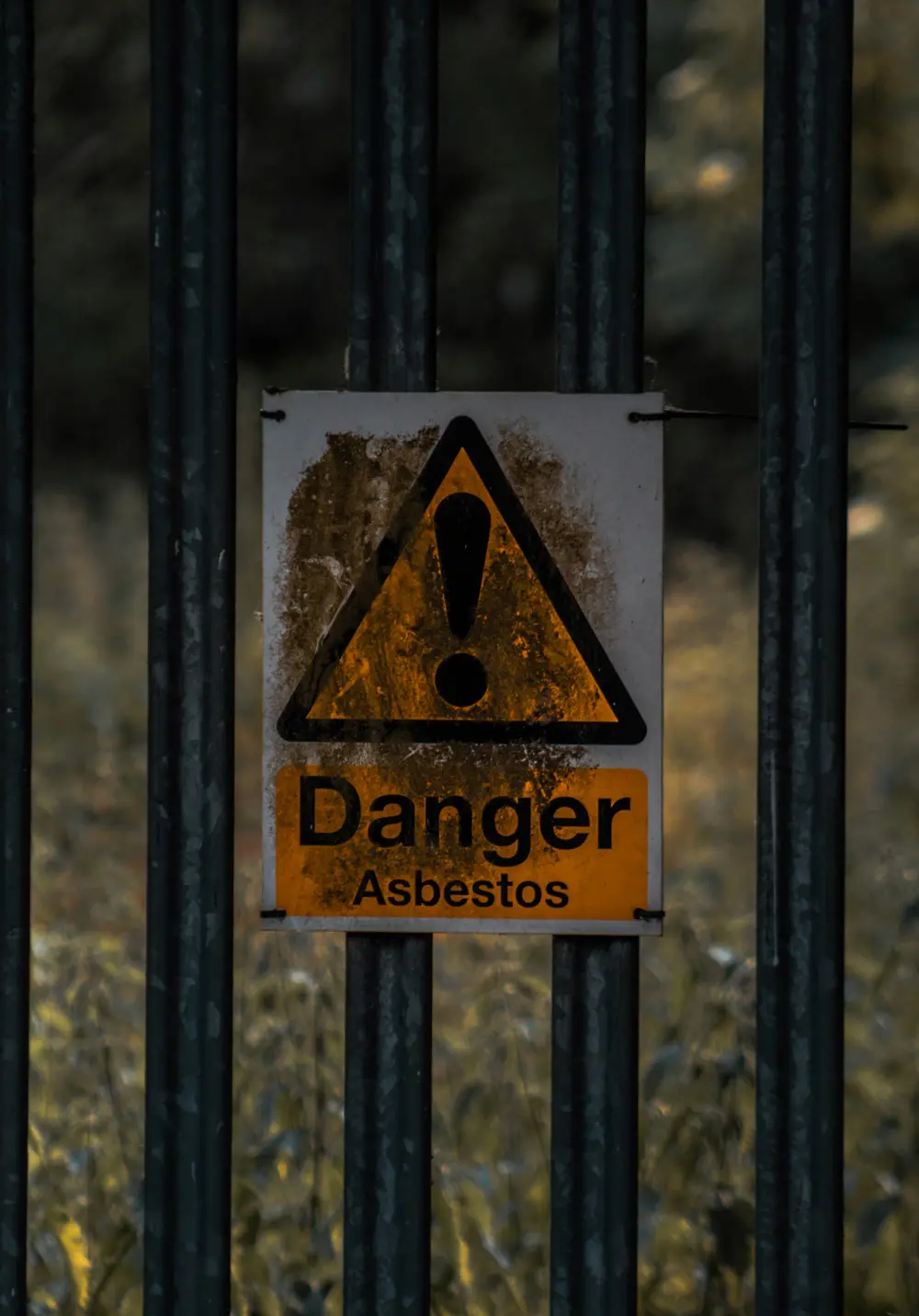
Asbestos remains one of the most significant occupational health hazards in the UK. Despite being banned from use in new construction since 1999, it is still present in an estimated 1.5 million buildings across the country. For property managers, understanding the legal framework, practical obligations, and best practice for managing asbestos is not optional — it is a fundamental part of the role.
This article sets out what property managers need to know about asbestos: where it is found, what the law requires, and how to build a compliant and proportionate management approach.
What is asbestos and why is it dangerous?
Asbestos is a naturally occurring fibrous mineral that was widely used in construction materials throughout the twentieth century for its fire-resistant and insulating properties. There are three main types commonly found in UK buildings:
- Chrysotile (white asbestos) — the most commonly used, often found in roofing sheets, ceiling tiles, and textured coatings
- Amosite (brown asbestos) — frequently used in insulating board, ceiling tiles, and thermal insulation
- Crocidolite (blue asbestos) — the most hazardous type, used in pipe insulation and spray coatings
When asbestos-containing materials (ACMs) are disturbed, they release microscopic fibres into the air. When inhaled, these fibres can become lodged permanently in the lungs and pleural tissue, causing a range of serious and often fatal diseases — including mesothelioma, asbestosis, and asbestos-related lung cancer. Symptoms may not appear for 20 to 60 years after exposure, which is why asbestos remains a leading cause of occupational death in the UK today.
Annual UK deaths
Latency period
Still present
High-risk trades
The legal framework
The primary legislation governing asbestos management in non-domestic buildings is the Control of Asbestos Regulations 2012, which consolidates earlier regulations and sets out clear duties for those responsible for premises.
Regulation 4 — the ‘duty to manage asbestos’ — applies to the dutyholder. In practice, this is typically the building owner, the employer responsible for maintenance, or anyone with contractual obligations for the upkeep of a premises. Where there is no clear dutyholder, it defaults to the building owner.
The duty to manage does not require the removal of asbestos. Instead, it requires the dutyholder to:
- Take reasonable steps to find out if ACMs are present, and their location and condition
- Presume that materials contain asbestos unless there is strong evidence to the contrary
- Make and keep up to date a written record (the asbestos register)
Assess the risk from identified ACMs - Prepare and implement a written asbestos management plan
- Review and monitor the plan and the condition of ACMs
- Provide information on the location and condition of ACMs to anyone likely to work on or disturb them
For most small businesses with simple cold and hot water systems, a straightforward risk assessment and monitoring regime will suffice. For more complex systems — including cooling towers, spa pools, or large hot and cold water networks — specialist management is required. NuVeil’s water hygiene team can assess your specific obligations and put a proportionate programme in place.
Important:
Failure to comply with Regulation 4 is a criminal offence. Dutyholders can face unlimited fines and, in serious cases, imprisonment. There is no ‘de minimis’ exemption — even small or simple premises are within scope.
Asbestos surveys: understanding the types
Before a management plan can be prepared, the dutyholder needs to know whether ACMs are present and where they are located. This is done through a formal asbestos survey, conducted by a competent surveyor in accordance with HSE Guidance Document HSG264.
There are two primary survey types:
Management survey
Refurbishment & demolition survey
A management survey alone is not sufficient where refurbishment work is planned. Commissioning the wrong survey type — or failing to commission one at all — is one of the most common compliance failings NuVeil encounters.
The asbestos management plan: what it must cover
Once a survey has been completed, the dutyholder is required to prepare a written asbestos management plan. This is a live document that should be reviewed regularly and updated whenever circumstances change. A compliant plan should address:
- The location of all identified ACMs and their condition
- The risk rating assigned to each ACM (typically based on material condition, accessibility, and likelihood of disturbance)
- Actions taken or planned to manage the risk (e.g. encapsulation, labelling, periodic re-inspection)
- How and when the register will be made available to contractors
- The schedule for periodic monitoring and re-inspection
- Emergency procedures in the event of an accidental disturbance
The plan must be accessible to maintenance contractors, facilities managers, and any other person who may need to work on or near ACMs. Providing access to the register before any works commence is a legal requirement — and a practical one, given the life-threatening consequences of unknowing disturbance.
Practical steps for property managers
If you manage a building constructed or significantly refurbished before 2000 and do not have a current asbestos survey or management plan in place, the priority steps are straightforward:
- Commission a management survey from a qualified, accredited surveyor
- Use the survey findings to prepare or update your asbestos register and management plan
- Ensure the register is accessible and share it with contractors before any maintenance or works
- Schedule periodic re-inspections (typically annually) to monitor the condition of ACMs in situ
- Commission a refurbishment and demolition survey before any works that will disturb the building fabric
- Keep records — document all surveys, re-inspections, and contractor communications
NuVeil can help:
We work with property managers across the UK to commission the right type of asbestos survey, build compliant management plans, and ensure contractors are properly briefed. If you are unsure of your obligations or the current status of your asbestos records, contact us for a no-obligation conversation.